
Real-World AI Video Case Studies With Proven ROI
Every one of these deployments started with a problem someone was already paying for: theft they absorbed, hours they could not account for, or a site nobody could watch after closing. Each case study below documents what changed once AI video supervision was added — what was detected, and what it replaced. No pilots, no projections. Four live operating environments.
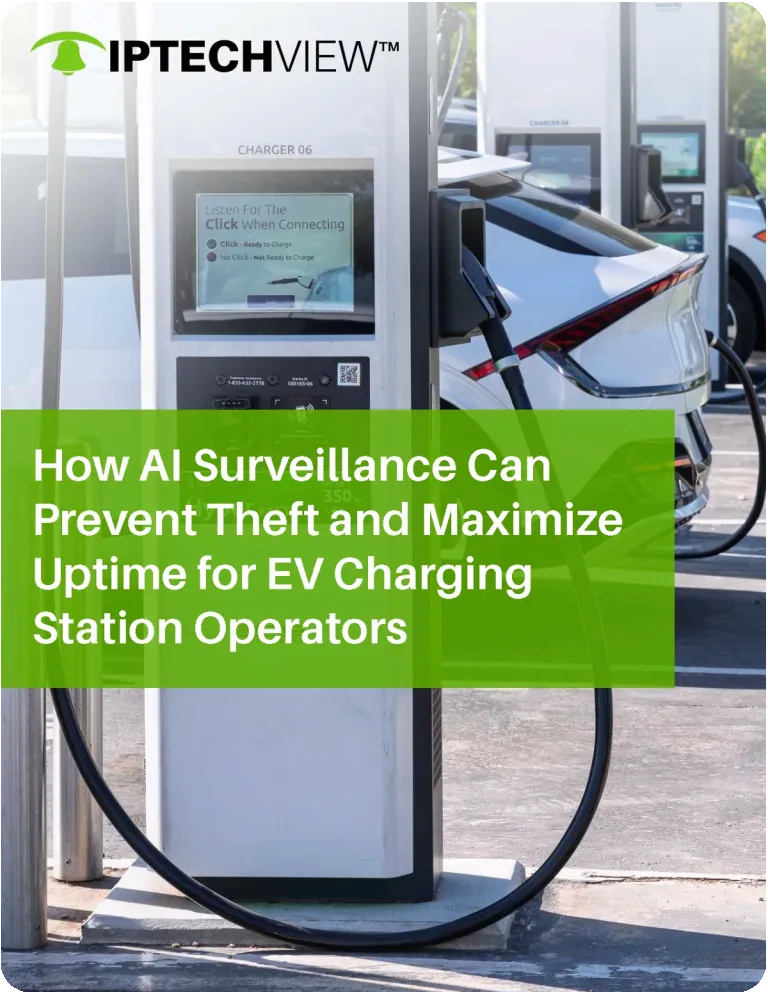
Copper Theft and Bay Misuse at Unstaffed EV Chargers
EV charging sites are valuable, unstaffed and often unlit, which makes them a standing target for copper and cable theft. Operators also lose revenue to bays occupied by drivers who are not charging at all. Both problems stay invisible until someone reviews footage after the fact — by which point the cable is gone and the bay has turned over.

Finding the Hours Nobody Could Account For
Most operations know their labor cost precisely and their labor use barely at all. Time disappears into waiting, rework, idle equipment and process gaps that no timesheet captures — because nobody is standing there watching, and if they were, that would be its own cost.

Accountability in a Facility That is Open More Than It is Staffed
Gyms increasingly run extended or 24-hour access with minimal staff on site. That model only works if you can answer the questions that come up when nobody is there: who came in on whose credential, what happened in an unattended area, and whether an incident is a member complaint or a liability claim.

Stopping Illegal Dumping Before the Cleanup Bill
Illegal dumping is a repeat offence at known locations, and the cost lands entirely on the property owner: removal, disposal, and sometimes fines for waste they did not generate. Cameras that only record hand you a cleanup receipt and unusable footage. What owners need is to know while it is happening, with evidence good enough to act on.